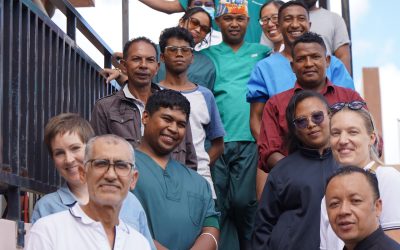
ADFA’s recent gastroenterology mission to Madagascar highlighted the expanding impact of collaboration, expertise, and ongoing partnerships in healthcare.
Over two weeks, ADFA’s volunteer team worked alongside local health professionals across Antananarivo, Antsirabe and Toliara, delivering specialist care, practical training, and helping strengthen essential medical services.
Together, the team:
- Consulted with 215 patients
- Performed 79 endoscopic procedures
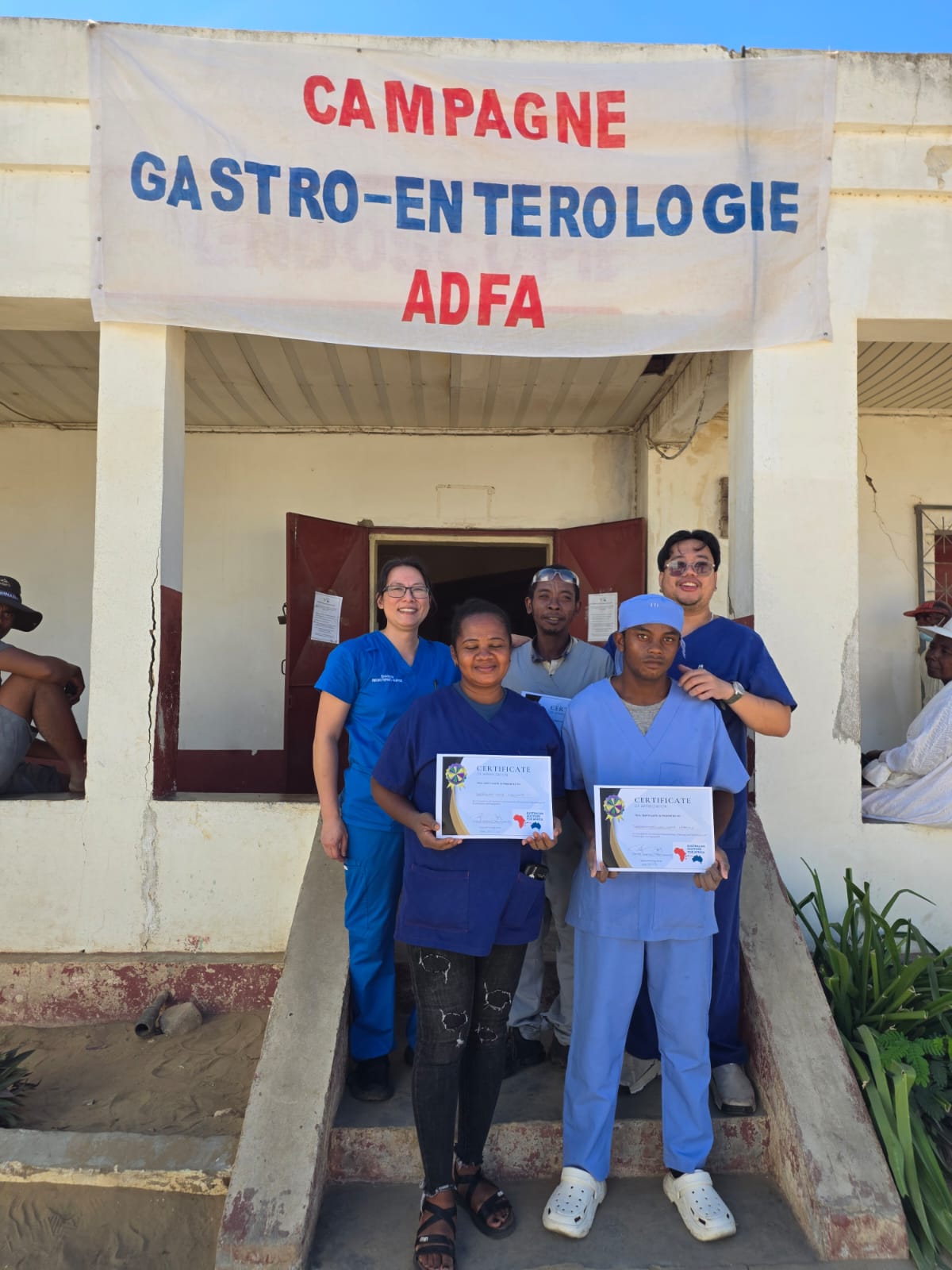
- Trained 56 local health professionals and medical student
- Helped re-establish endoscopy services in Antsirabe
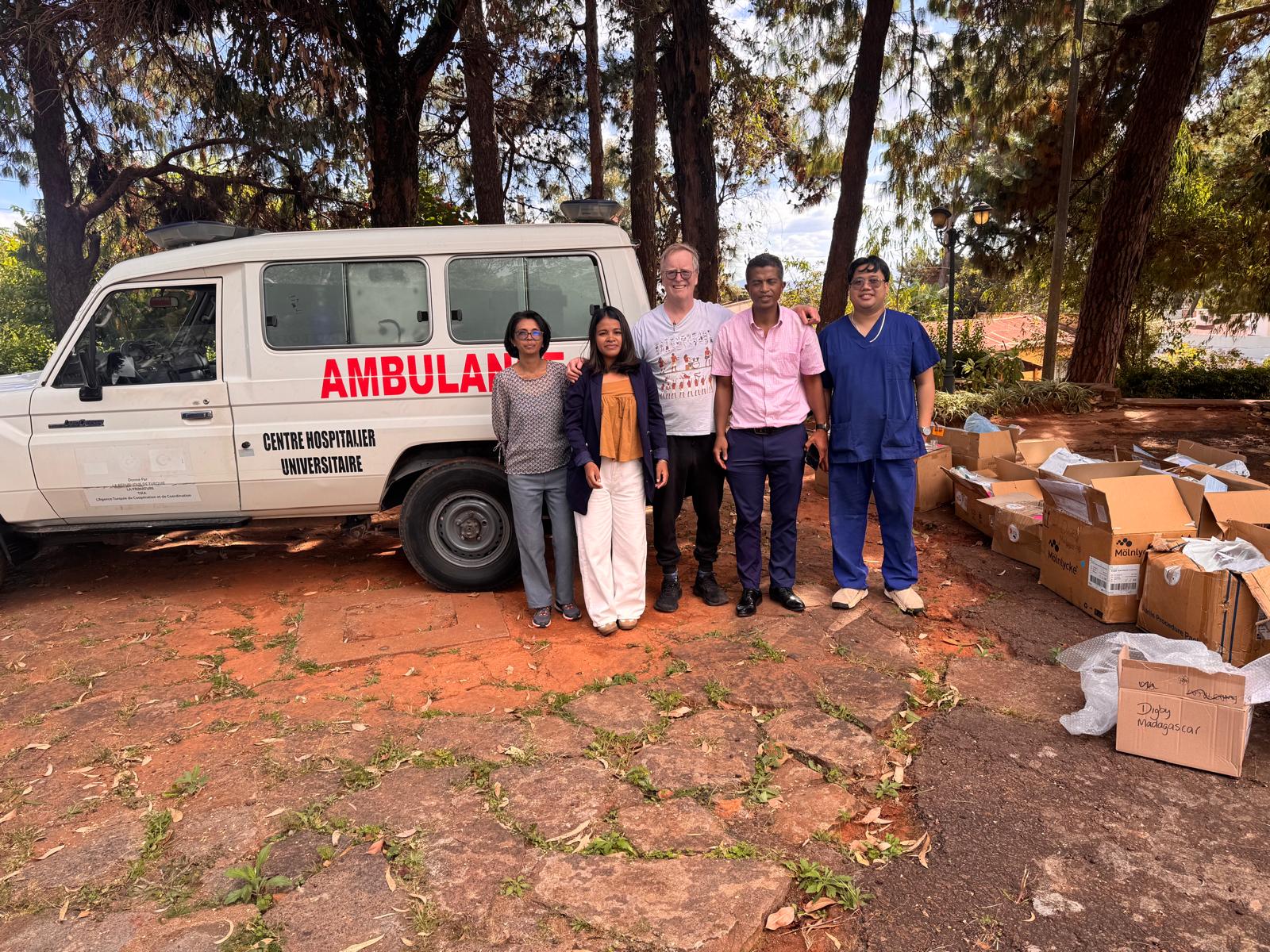
- Donated essential medical equipment and consumables to support ongoing care
- Engaged with the WHO Hepatitis B prevention and transmission project, opening the door to broader future collaboration
But beyond the numbers, what matters most is the lasting impact.
By mentoring local doctors and nurses, sharing practical skills, and supporting the return of specialist services, this mission was about building stronger, more sustainable local healthcare for the future—not simply providing care in the moment.
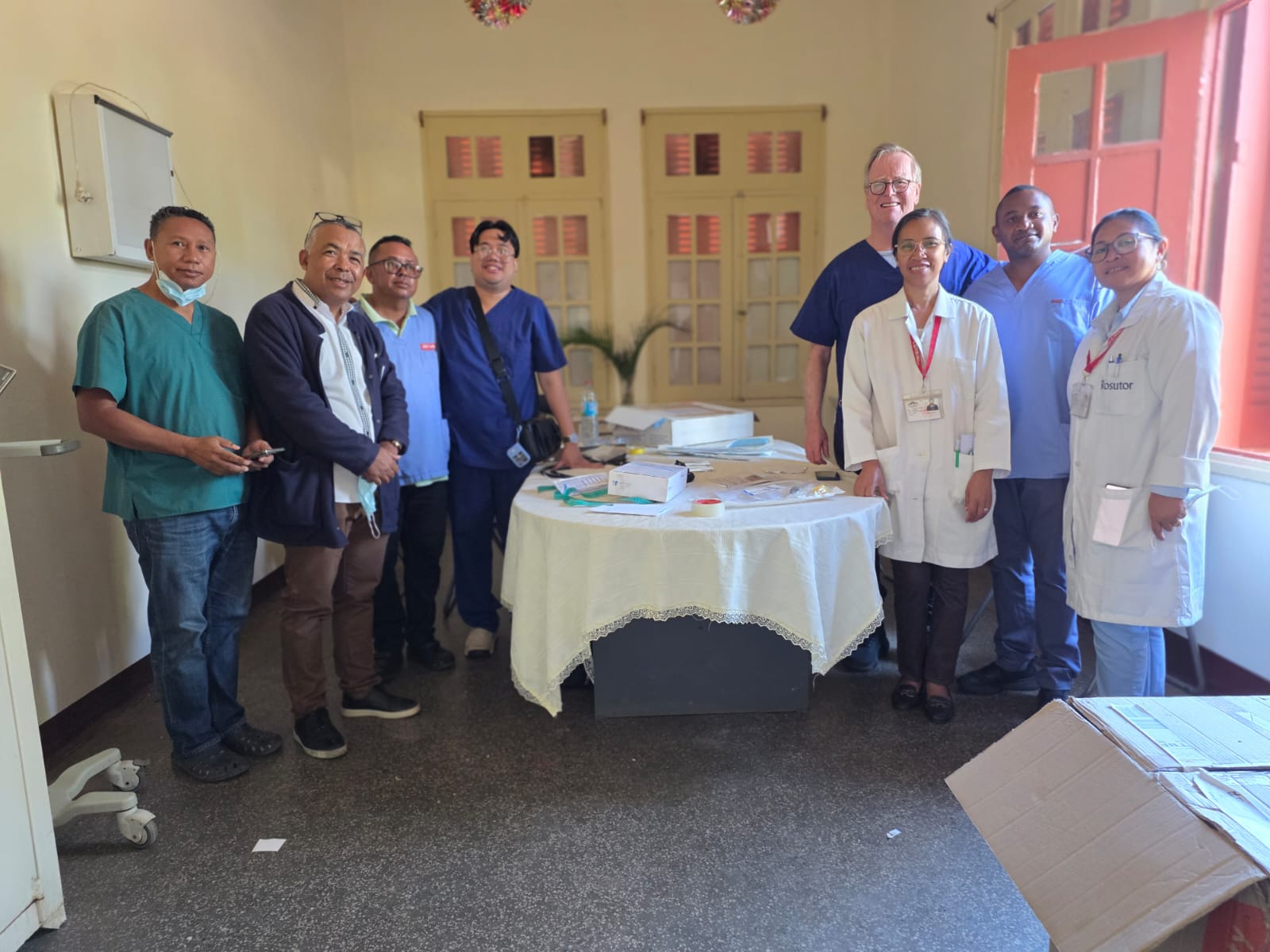
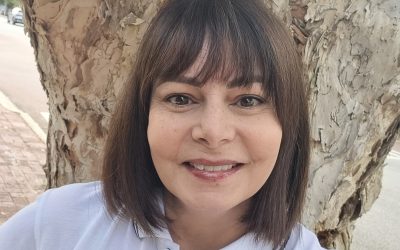
A heartfelt thank you to our extraordinary volunteer team—Dr Digby Cullen, Dr Oliver Waters, Sharon Kennedy, and Joermar Bermejo—for so generously giving their time, expertise, and compassion.
Big thank you to our local team, Lucile and Hanitra, for your incredible dedication, flexibility, and willingness to help with even the smallest details. Your support behind the scenes made an enormous difference.
This assignment was made possible thanks to the generous support of St John of God Subiaco Hospital, whose grant funding helped bring this important work to life.
We are also deeply grateful to our equipment and consumables donors, whose generosity helped equip this mission with much-needed medical supplies. We would particularly like to acknowledge Philips for their donation of leads, which ensured the patient monitors could be fully operational.
A special thank you to Air Mauritius for their generous additional baggage allowance, which enabled ADFA to transport donated medical equipment and consumables where they were urgently needed.
This is how ADFA builds sustainable partnerships—working alongside local teams, strengthening skills, and helping create lasting change.